
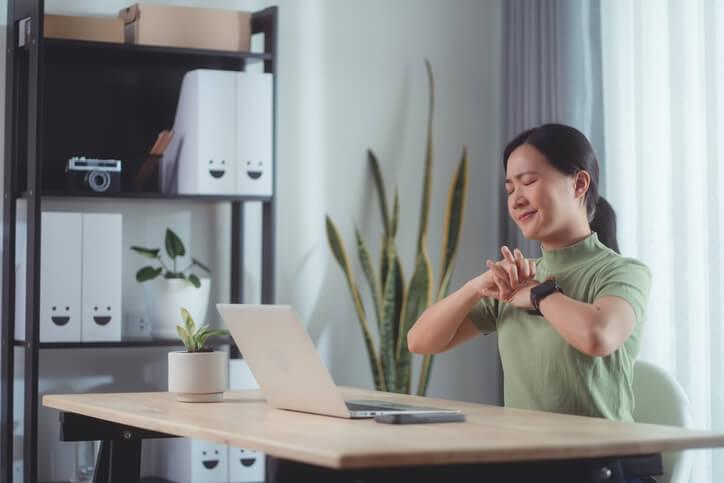
Let’s be honest: sitting in an office all day isn’t as effortless as it seems. Sure, you’re not digging ditches or scaling scaffolding, but the physical and mental toll of desk work can be surprisingly intense. Hours of screen time, hunched shoulders, clenching your jaw during meetings—it all adds up.
That’s where office massage enters the picture. It isn’t a treatment for any of that, and we’re not going to pretend it is. What it is, is fifteen or twenty minutes in a chair, in the middle of a working day, in which nothing is being asked of you.
If you’re a business owner, a manager, or even just someone who cares about your coworkers, it is worth knowing what a weekly chair massage actually involves before you dismiss it as a gimmick.
Massage Heaven Services – A Wide Array to Choose From
How Is Office Massage Applied?
The concept is wonderfully simple. Instead of making employees travel to a spa, the massage comes to them.
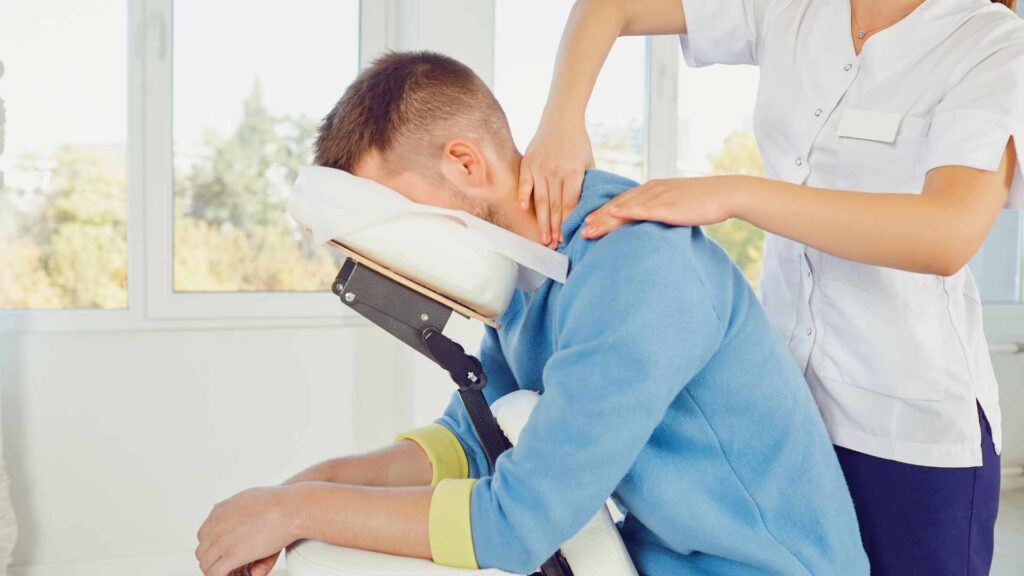
Office massage is typically done on-site, often in a quiet conference room or break area that’s been transformed into a temporary wellness zone. Sessions are shorter—usually 10 to 30 minutes—and don’t require anyone to disrobe. Employees stay fully clothed, seated in a specially designed massage chair that supports the head, neck, and chest comfortably.
The therapist focuses on key areas that take the brunt of office-related tension: the neck, shoulders, back, arms, and sometimes the hands and scalp. All those muscles that scream after hours of typing and Zoom meetings finally get a chance to breathe.
And here’s the thing—it’s not just about physical relief. Those 15 minutes where someone is paying real attention to your comfort? That alone can change your day.
What Are the Benefits of Office Massage?
You might be surprised how much good a short massage can do.
1. It Is a Genuine Break
Fifteen minutes in which the laptop is shut, the phone is face down and nobody can reach you. That is rarer in an office day than it ought to be, and it is most of what people are actually getting.
2. It Reaches the Places Desk Work Reaches
Neck, shoulders, upper back, forearms. Those are the areas a chair session actually covers, and they happen to be the ones that stiffen up over a day of typing. Nothing more mysterious than that.
3. No Logistics
Nobody has to book time off, travel anywhere, or get changed. The therapist arrives with the chair, sets up in a quiet room, and people come and go between meetings. If anything actually hurts, that is a matter for a doctor rather than for us.
4. Nobody Has to Undress
This matters more than people expect. Employees stay fully clothed and seated, which removes most of the awkwardness that stops people signing up in the first place.
5. It Is Something People Actually Want
Unlike a great many workplace perks, this one gets used. We can’t tell you what it does to morale or retention, and we won’t guess. What we can say is that the sign-up sheet fills up.
Check this out: Meet our team
How Important Is It for a Business to Have Happy Employees?
In a word? Very.
Happiness at work isn’t just about warm, fuzzy feelings. Most managers would agree that people who are content at work tend to be:
- More productive
- More creative
- Less likely to burn out
- Less likely to quit
- More likely to support and uplift their team
Think about it—when you’re treated like a replaceable cog in a machine, you act like one. But when you’re treated like a human being whose wellbeing matters? You show up with more heart.
The workplace vibe starts at the top but spreads through the little things: how leaders talk, how teams communicate, and yes—what kind of benefits people receive. Office massage may seem small, but it signals that employee wellness isn’t just a checkbox. It’s a priority.
Office massage won’t deliver any of that on its own, and we’re not claiming it will. It’s one small, visible thing you can offer people who spend a lot of the week at a desk—see what it involves.
What People Tend to Say About It
We all know happiness isn’t just about massages. But let’s not underestimate the emotional impact of being physically cared for.
Here’s what happens when employees get regular massage access at work:
1. They Feel Seen
Massage is personal. It says, “We recognize the toll this work can take, and we’re doing something about it.” That feeling of being seen can be profoundly validating.
2. They Feel Respected
Office massage isn’t a gimmick. It’s a service that’s usually associated with luxury and self-care. Offering it to employees sends a message: We respect your time, your energy, and your health.
3. They Get a Mental Reset
The workplace can be a minefield of multitasking and mental clutter. Massage interrupts that loop. It gives people space to pause, reset, and return with a clearer head.
4. They Get an Interruption
We can’t tell you what fifteen minutes does to anyone’s sleep or stress, and we aren’t going to guess. What it does do is break the day in half, which on a bad Tuesday is not nothing.
5. They Start Taking Better Care of Themselves
There’s something about a 15-minute massage that reminds people they have a body at all. Whether that leads to anything else is entirely up to them, and we make no promises about it.
Read more: Attica Massage
Why Now?
If you’re wondering why office massage matters more than ever—just take a closer look at the modern workplace. Between hybrid schedules, never-ending notifications, and long hours spent sitting in front of screens, employees are not only tired—they’re burned out. And not in the occasional, “I need a nap” kind of way. We’re talking sustained, chronic fatigue—mental and physical—that seeps into productivity, mood, and even team dynamics.
The physical effects of desk-bound work are catching up to us: tight shoulders, sore necks, stiff lower backs. Pair that with rising stress levels and shorter attention spans, and you have the perfect recipe for workplace disengagement. It’s no longer enough to offer coffee in the break room or a monthly team lunch. Employees need real support—support that acknowledges the pressure they’re under and does something tangible to ease it.
That’s where office massage fits. Not as a fix for burnout—it isn’t one, and treating it as one would be dishonest—but as a visible, practical thing offered in the middle of the workday. Fifteen or twenty minutes in a chair, clothes on, working across the neck, shoulders and upper back.
And here’s something that gets overlooked: the workplace energy shift that happens after a few employees return from a massage. There’s a change in posture. A softness in the face. A subtle calm. Multiply that across a team and suddenly, you’ve got a different kind of environment—one that’s centered, more human, and frankly, more enjoyable.
In a culture that’s always rushing toward the next deadline, office massage gives people permission to pause. To breathe. To feel like their well-being actually matters to the organization.
We’re not going to quote you figures on turnover, morale or sick days, because we don’t have any and neither does anyone else selling this. What we can tell you is what the session consists of, and how long it takes.
Investing in office massage doesn’t just serve your employees—it supports your entire business. It shows that you’re aware of the demands placed on your team, and you’re not willing to ignore them. It fits inside the workday, needs no complicated logistics, and asks nothing of anyone beyond turning up.
Whether it’s once a week or once a month, office massage helps create a culture of wellness that goes beyond posters in the break room. It’s a strategy that honors the human side of productivity—and builds a foundation for long-term success.
How Massage Heaven Makes the Difference
Here’s the part where experience helps. At Massage Heaven, we treat a workplace booking as its own thing rather than a shortened version of a table session—it is a different chair, a different set of areas, and a much tighter clock.
Our therapists are used to working in offices: setting up quickly in a meeting room, keeping to the timings on the sign-up sheet, and asking each person what pressure they want before they start. Whether it’s once a quarter or every week, the format stays the same.
Some clients book us for wellness days. Others rotate us through departments. Either way, the feedback is often the same: “I didn’t realize how much I needed that.”
Final Thoughts: A Small Thing, Done Properly
Office massage isn’t magic. It doesn’t fix every stressor or solve every workplace issue.
But it’s a starting point. A gesture of care. A moment of relief in a hectic day.
And in today’s fast-moving world, that might be exactly what your team needs. Not another software upgrade. Not another Zoom call. Just 15 quiet minutes in a chair, letting go.
So the next time you think about boosting productivity or improving morale, ask yourself: have we done anything lately that helps our people feel good?
If not, maybe it’s time to try something simple. Something that takes fifteen minutes. Something as ordinary as a steady hand on a tired shoulder.