
Swedish Massage – The Timeless Art of Letting Go
Swedish massage is one of the most popular massage therapies around the world. It employs a range of techniques, such as long strokes, kneading, and circular movements, to loosen up the muscles and promote relaxation. It works on the upper layer of muscle rather than digging deep, which is what makes it the easiest style to lie still in for a full hour. We can also arrange a sauna session at a spa in Athens on request, for an additional charge.

From Sweden With Love
A Swedish session is unhurried from beginning to end. Long, gliding strokes travel the length of the back, arms and legs, with slower kneading through the shoulders and neck. The pressure stays light to medium throughout — firm enough to feel, never sharp. Your therapist arrives with the table, the oils and the towels, so all you need to do is pick a room and put your phone face down.

Nordic Wisdom
Swedish is the style most people picture when they think of massage: broad, rhythmic, calming work rather than concentrated pressure on one stubborn spot. It suits the end of a long week, the evening after a flight, or any hour when you want nothing asked of you. We come to you anywhere in Athens and Attica, daily from 09:00 to 03:00.
Who Is It For?
In short? Almost everyone.
Swedish massage is ideal for:
People who feel mentally overloaded or physically tense
First-time clients who want something calming and approachable
Individuals recovering from stress, travel, or fatigue
Anyone who wants a quiet hour at home with no conversation required
You don’t need to be in pain to book one. Plenty of people keep it as a standing hour in the diary rather than something they reach for only when the week has gone badly.
How Does It Work?
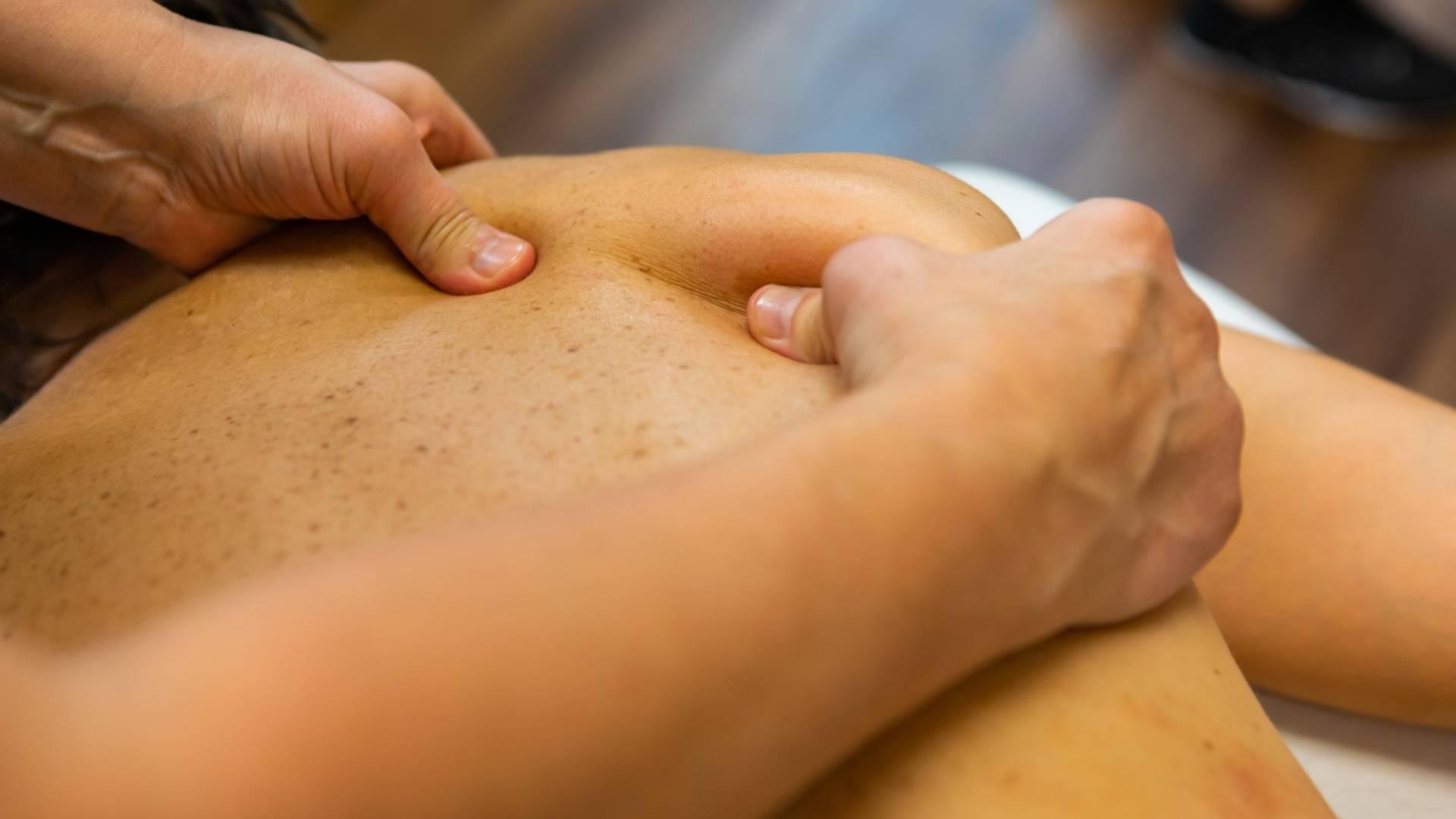
Swedish massage follows a familiar sequence of strokes, worked broadly and at a steady, even pace, easing surface tension as it goes. Your therapist will typically begin with lighter strokes to warm up the muscles, then gradually build into deeper kneading (but never harsh).
Movements might include:
Effleurage – long, sweeping strokes along a whole limb or the full back, used to open the session
Petrissage – kneading or rolling motions to release muscular tension
Tapotement – light rhythmic tapping or percussion
Friction – deeper circular strokes for stubborn areas
Vibration or shaking – light shaking over a muscle group, usually only for a few seconds at a time
Throughout the session, the goal is balance—not force. It’s a conversation with your body, not a correction.
Frequently Asked Questions
Yes, up to a point. Swedish massage isn’t designed to be as deep or intense as deep tissue massage, but you can certainly ask for firmer pressure within that style. If you’re looking for deep muscle work, ask for a blend of Swedish and deep tissue instead.
Absolutely. Swedish massage is often recommended for first-timers because it’s gentle, non-invasive, and easy to relax into. There’s no pressure to “know” anything—it’s a great way to be introduced to the benefits of bodywork.
Swedish massage focuses on relaxation and surface-level muscle tension, using lighter, flowing strokes. Deep tissue works on deeper layers of muscle and fascia, often with slower and more intense pressure. They’re both valuable—just for different reasons.