
Massage therapy is more than a skill—it’s a living, breathing practice. The more you study the body, the more you realize how much there is still to learn. That’s why continuing education isn’t just a professional formality for massage therapists—it’s a mindset. A commitment. A way to make sure the hands doing the work today are more capable tomorrow.
Whether you’re someone who receives massage therapy regularly or a practitioner offering it, there’s one simple truth worth remembering: the human body is complex, and no two are alike. What works for one client may not work for another. What was considered “best practice” a decade ago might now be outdated. That’s why massage therapists who invest in ongoing training often stand out—not just for what they know, but for the quality of care they deliver.
Let’s explore why continued learning is so important, how massage therapists qualify, and what their job really entails in today’s ever-evolving world of wellness.
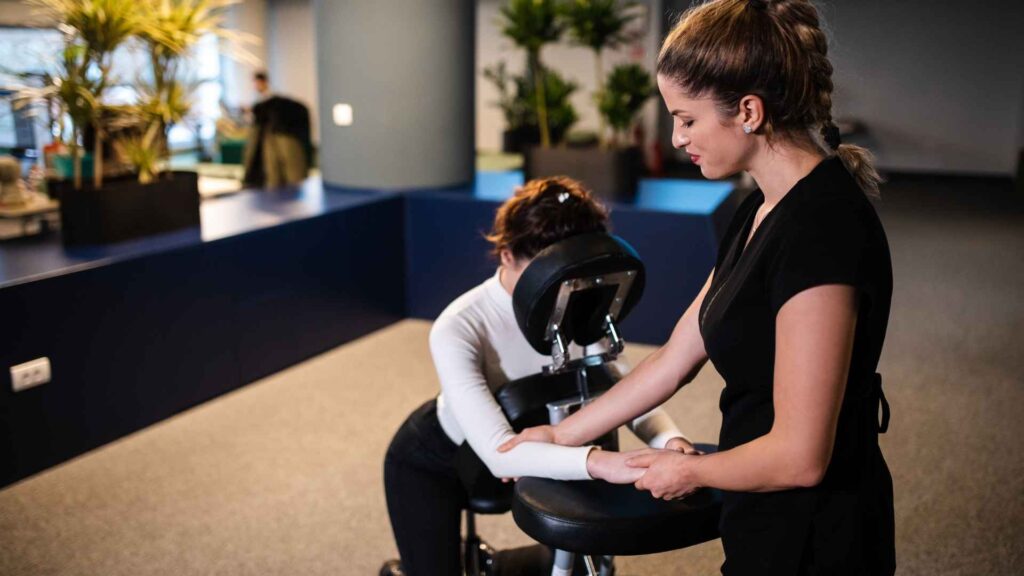
When Can Someone Qualify as a Massage Therapist?
Becoming a certified massage therapist requires more than just strong hands and a good sense of touch. In most countries, aspiring therapists need to complete a formal education program—typically several hundred hours of classroom and practical instruction. Topics usually include anatomy, physiology, pathology, massage techniques, ethics, and sometimes even business skills.
But let’s be honest: completing a certification program is just the beginning. The diploma or license you hang on the wall means you’re qualified—but it doesn’t mean you’ve mastered the craft. It’s the foundation, not the finish line.
Clients often seek out therapists who have real-world experience, a calm demeanor, and an intuitive sense of touch. That kind of presence isn’t taught in a textbook—it’s developed through continued learning, hands-on work, and actually paying attention to the person on the table.
Even in the early stages of training, good massage therapists begin to realize how important it is to keep learning. New conditions, new client needs, and new discoveries about the body are constantly emerging. If a therapist stops at graduation, they risk becoming outdated. Worse—they may unintentionally miss better ways to help their clients.
Professionalism in Massage Therapy: What Makes the Difference
What Is the Job? What’s the Case for Continuing Education?
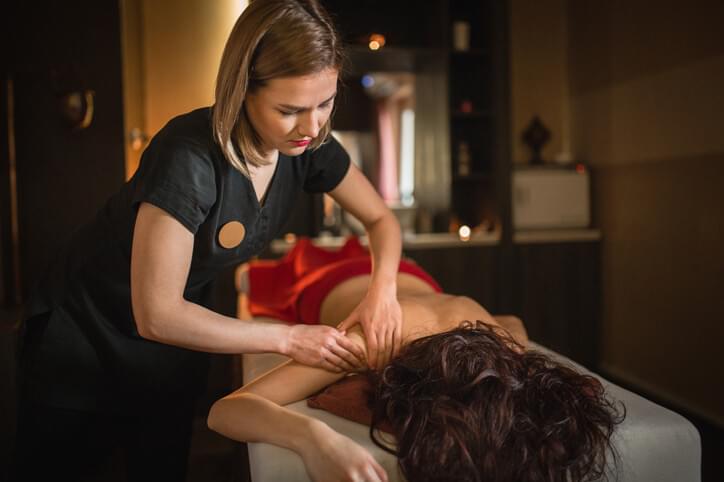
To put it simply: a massage therapist works with their hands, at a pressure and pace the client sets, for an hour at a time. Sessions are intended for relaxation and comfort only, and are not a treatment for any medical condition.
But it’s never just about the hands. It’s also about listening—deeply—and observing. Great therapists read body language. They pick up on hesitations, subtle discomforts, areas of emotional tension that live within the physical body. They know when to apply more pressure and when to ease off. When to ask questions and when to let silence do the work.
In practice, a therapist spends the working day dealing with:
- Clients who want very firm work, and clients who want barely any
- People who have never had a massage and don’t know what to expect
- Knowing when something belongs with a doctor rather than on a table
- Working in someone’s living room rather than a treatment room
- A dozen different styles, from lymphatic drainage to deep tissue
- Late finishes—we run daily from 09:00 to 03:00
- Carrying a folding table up four flights of stairs
Each session is a conversation—sometimes spoken, often silent—between therapist and client. And because every body is different, no two sessions are exactly alike.
That’s why static knowledge isn’t enough. Techniques must adapt. Pressure must be adjusted. And above all, the therapist’s understanding of the body must remain current and compassionate.
Should a Professional Have Lifelong Training?
Yes. Emphatically, yes.
A massage therapist should never assume they know everything. Lifelong training is what keeps their skills sharp, their confidence high, and their care truly effective. But more than that, it shows respect—both for their clients and for the evolving nature of health itself.
Let’s look at why continuing education is so important.
1. The Body Is Complicated
Science is constantly discovering more about how muscles, nerves, and connective tissues interact. There are new insights into fascia, new studies on pain management, and new therapies for chronic conditions. Therapists who stay informed are better equipped to help clients with increasingly complex needs.
2. Client Expectations Are Changing
Clients are more informed than ever. Many come in having read about techniques like myofascial release, lymphatic drainage, or trigger point therapy. A well-trained therapist doesn’t just know these techniques—they understand when and how to use them, or when to refer out if needed.
3. Techniques Evolve
Massage is a field where methods are constantly refined. Lifelong learning exposes therapists to different modalities—Thai massage, cupping, prenatal techniques, craniosacral therapy—and helps them find their niche or expand their service offerings.
4. Professional Credibility
Continuing education builds trust. Clients feel more confident when they know their therapist is certified in current best practices. It also supports licensure renewal in many jurisdictions, keeping the therapist compliant with industry regulations.
5. Avoiding Burnout
Ironically, lifelong learning isn’t just for the client’s benefit—it’s for the therapist’s, too. Exploring new modalities can reignite passion, prevent boredom, and reduce the emotional fatigue that can come from repetitive physical work.
What Is a Relax Massage, Really?
Real-World Skills Require Real-World Learning
The beauty of massage therapy is that it straddles science and art. There’s technical knowledge, of course—but then there’s intuition, presence, and a sort of learned grace that only develops with practice and humility.
That’s why therapists who pursue ongoing workshops, hands-on training, and advanced certifications tend to have a deeper touch. They’re more confident in handling special populations—pregnant clients, elderly clients, athletes, or people with trauma histories. They ask better questions. They spot red flags. And they make safer, more informed decisions.
The Link Between Education and Client Satisfaction
Clients often don’t know why one session felt better than another—they just know it did. The pressure was right. Nothing was rushed. The therapist asked, and then actually changed what they were doing. More often than not, that isn’t accidental.
Therapists who commit to lifelong learning:
- Keep learning new techniques rather than repeating one routine
- Communicate clearly and confidently
- Adapt the session to suit the person on the table
- Use refined techniques based on modern research
- Offer more value with every session
And here’s the big takeaway: satisfied clients come back. They refer friends. They write glowing reviews. They become the foundation of a sustainable, thriving massage practice.
Investing in Yourself Is an Investment in Others
It can be tempting to coast after certification. After all, massage therapy is a physically demanding job. Time is limited, and education can be costly. But the therapists who keep learning tend to enjoy longer, more fulfilling careers—not just financially, but emotionally.
Because learning feels good. Growing feels good. Helping people more effectively feels incredible.
Many successful therapists make a habit of attending a couple of workshops each year, enrolling in occasional online courses, or participating in professional meetups to exchange knowledge. These aren’t just obligations—they’re acts of self-respect and self-renewal.
The Future of Massage Depends on Educated Hands
As demand for wellness services grows, so does the need for well-trained practitioners. Massage is no longer something most people think of as a once-a-year holiday treat—but it is not medicine either, and the field is better off being clear about that.
Therapists who keep learning are the ones who can offer a wider range of sessions, and who know when to say that something is outside what a massage can do. That second part matters as much as the first.
And as the field grows, practitioners who keep adding to what they can do will simply have more choice about the work they take on.
Trust the Therapists Who Keep Learning
At Massage Heaven, we believe learning never stops. Our therapists are encouraged to take courses, try techniques they haven’t used before, and compare notes with each other about what works and what doesn’t.
When you book a session with us, you’re getting an hour with someone who is still curious about the work. Someone who asks what you want before they start, and changes it when you say so halfway through.
If you have a diagnosed medical condition, or you are recovering from surgery or illness, please talk to your doctor before booking a session. Otherwise, what you want is simply a therapist who is properly present for the hour, and who keeps getting better at it.
Final Thoughts
Massage is one of the oldest bodywork traditions in the world. But doing it well today takes more than tradition. It requires curiosity. Dedication. A willingness to keep learning long after school ends.
So yes, continuing education is important. In fact, it might be the most important decision a massage therapist can make—for their clients, their career, and themselves.
If you’re a client, ask your therapist about their training. If you’re a therapist, don’t stop growing.
Because the hands worth booking are the ones that never stop learning.